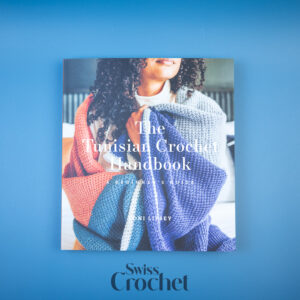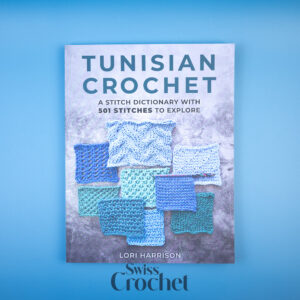



Today’s crocheters have access to an enormous amount of information online for learning crochet. A quick search can reveal countless tutorials, charts, diagrams, and videos that demonstrate nearly any technique imaginable. Online content can be a great way to quickly explore an idea, learn a small trick, or validate a technique — often for free and within seconds.
For experienced crocheters, this convenience can be incredibly useful. When you already know what you are looking for, online tutorials can help you find a specific stitch, solve a small problem, or refresh your memory on a technique you have used before.
For beginners, however, the experience can be very different.
Online Content Is Convenient — But Often Fragmented
One of the main challenges with online learning is that information is rarely presented in a structured way. Tutorials are scattered across countless websites, blogs, social media posts, and videos. Each source may explain a technique slightly differently, assume a different level of experience, or omit certain steps that the creator considers obvious.
For someone who is new to crochet, this can quickly become confusing. You might start by searching for how to make a double crochet stitch, only to end up jumping between multiple tutorials, each using slightly different terminology, abbreviations, or methods.
Another challenge is the reliability of the information itself. Anyone can publish crochet tutorials online, which is part of what makes the internet such a creative and vibrant space. At the same time, this means that the accuracy of the content can vary widely. In recent years, the rapid growth of automatically generated content and click-driven websites has made it even harder to separate carefully written tutorials from material that has not been properly reviewed.
While many excellent tutorials exist online, beginners often have to navigate through a large amount of inconsistent or incomplete information before finding the guidance they need.
Crochet Books Offer Structured Learning
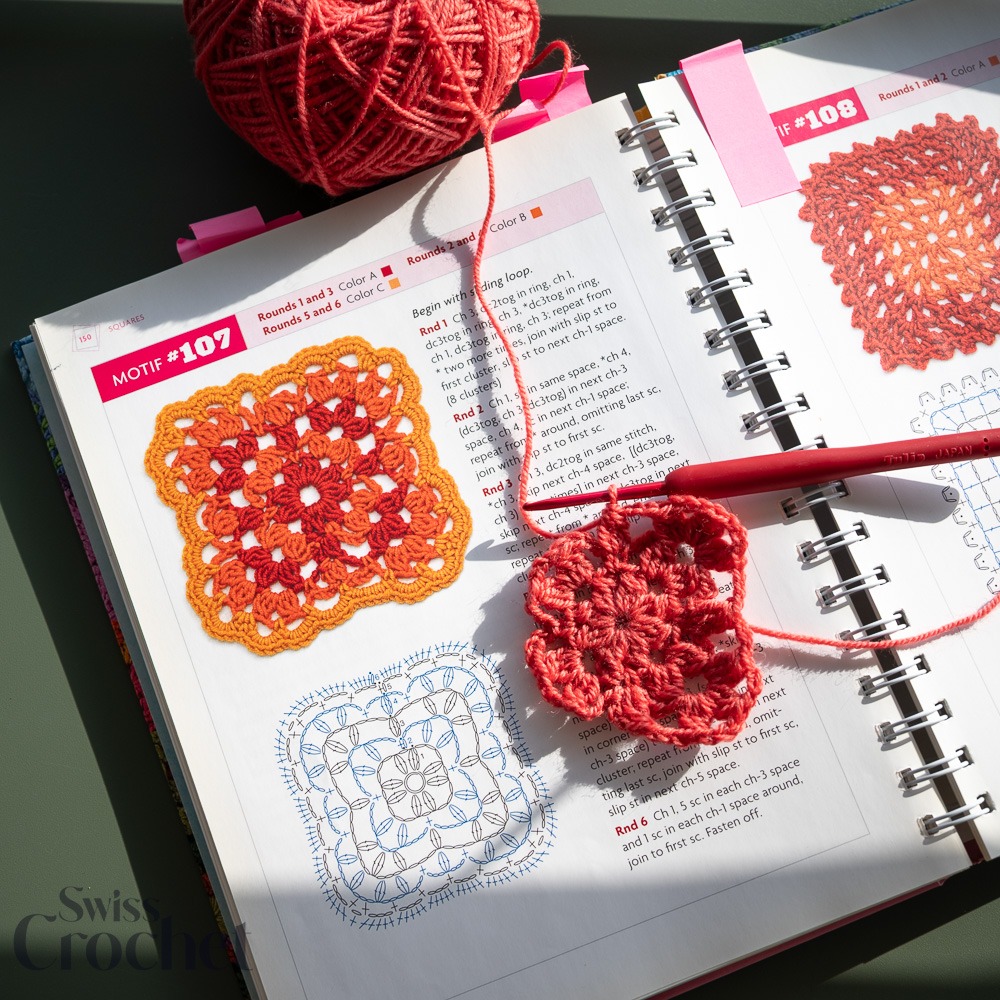
Crochet books provide a very different learning experience. Unlike most online tutorials, books are designed around a specific theme or topic and are carefully structured from beginning to end.
A beginner crochet book, for example, will typically introduce tools, materials, and basic stitches before gradually progressing to more advanced techniques and projects. Each concept builds on the previous one, allowing readers to develop their skills step by step.
This structured approach makes it easier to understand not only how to perform a technique, but also why it works and how it connects to other skills. Instead of learning isolated tricks, you gain a broader understanding of crochet as a craft.
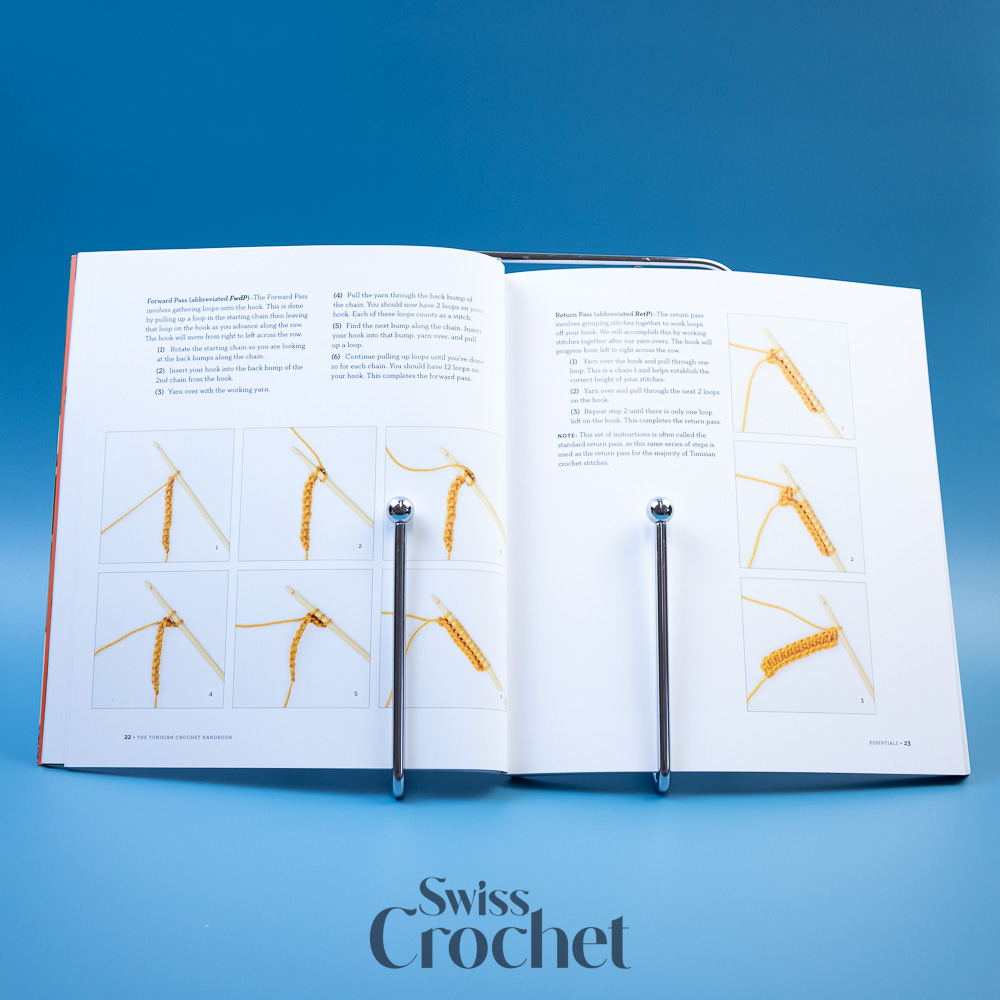
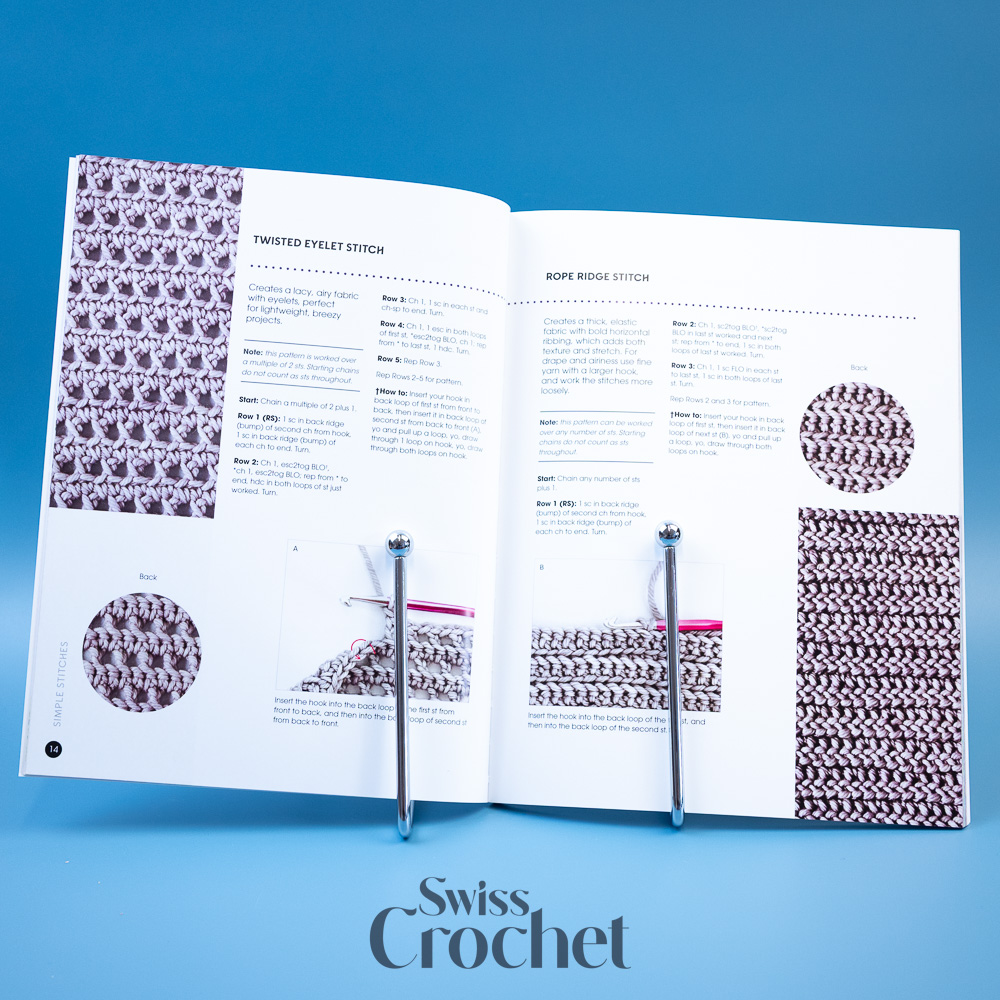
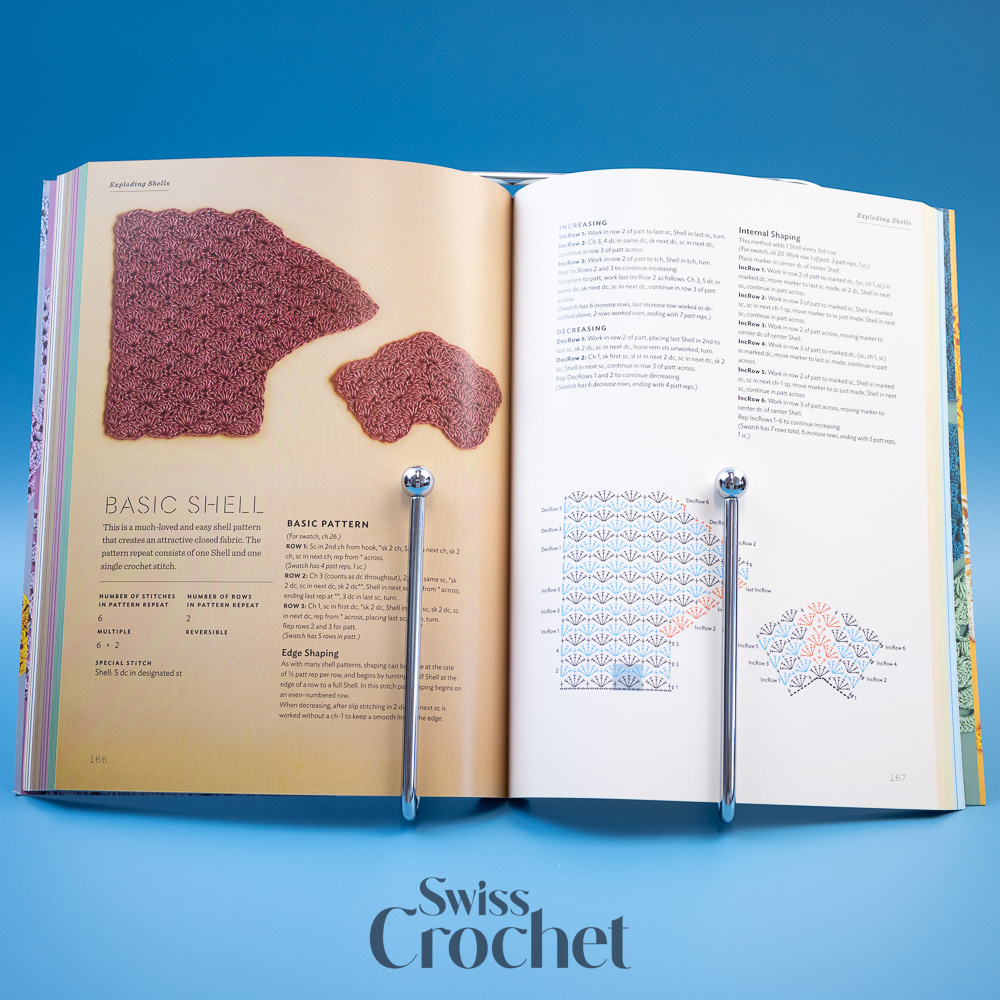
Books Are Carefully Edited and Reviewed
Another important difference is the way books are produced. Publishing a crochet book is a long process that usually involves several stages of editing and review. Authors work together with editors, technical editors, and often sample makers who test the patterns and instructions before the book is published.
This process helps ensure that the instructions are clear, accurate, and consistent. Charts, stitch instructions, and terminology are reviewed carefully so that readers can follow them with confidence.
Because of this professional review process, crochet books tend to offer a level of reliability that is harder to guarantee with random online content.
Books Provide Long-Term Value
Many online tutorials focus on a single project or a single technique. Once the project is finished, the tutorial may not be useful again.
Crochet books, on the other hand, often remain valuable resources for many years. Stitch dictionaries, technique guides, and reference books can be revisited again and again whenever you need inspiration, clarification, or new ideas.
They also provide context that short tutorials often lack. Instead of showing only one example, books typically explore a topic in depth, helping readers understand variations, applications, and possibilities.
And access to crochet books does not always require purchasing them. Many libraries carry a wide range of craft books, making it possible to explore different authors and styles at little or no cost.
Books Help Build Long-Term Skills
Perhaps the greatest advantage of crochet books is that they help build lasting knowledge. Rather than learning a series of disconnected tricks, you develop a deeper understanding of stitches, construction methods, and techniques.
Over time, this knowledge makes it easier to read patterns, troubleshoot mistakes, and approach new projects with confidence.
In other words, books support the development of real crochet skills — skills that stay with you long after a single project is finished.
A Curated Selection of Crochet Books
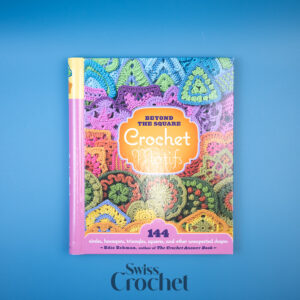
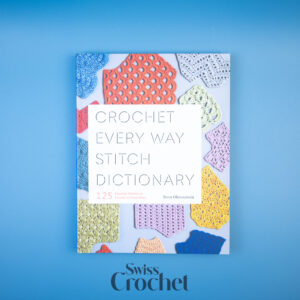
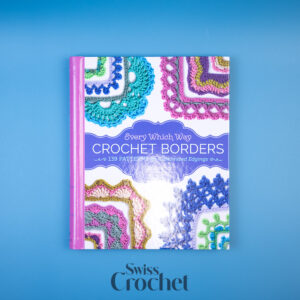
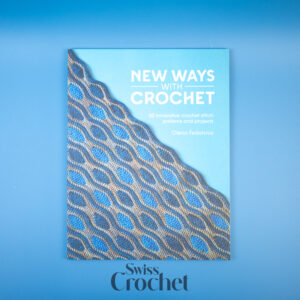
At Swiss Crochet, you will find a carefully curated selection of crochet books in English, German, French, and Italian. The collection includes titles for beginners as well as books dedicated to specific techniques, stitches, and creative approaches to crochet.
Each book in the shop is reviewed individually before being added to the selection. Many of them have been part of my personal crochet library for more than 10 years, and they are the same books from which I learned much of what I know today.
While online tutorials can be helpful tools, a well-written crochet book remains one of the most valuable resources a crocheter can have. It offers reliable guidance, deeper knowledge, and a foundation that can support your creativity for many years to come.
Whether you are just starting out or looking to expand your skills, a good crochet book can become a trusted companion throughout your crochet journey.