


At Swiss Crochet, we love celebrating creativity. In our Meet the Maker series, we highlight designers and makers whose passion, skill, and imagination bring the craft to life. Each feature introduces you to their story and showcases the stunning work they create.
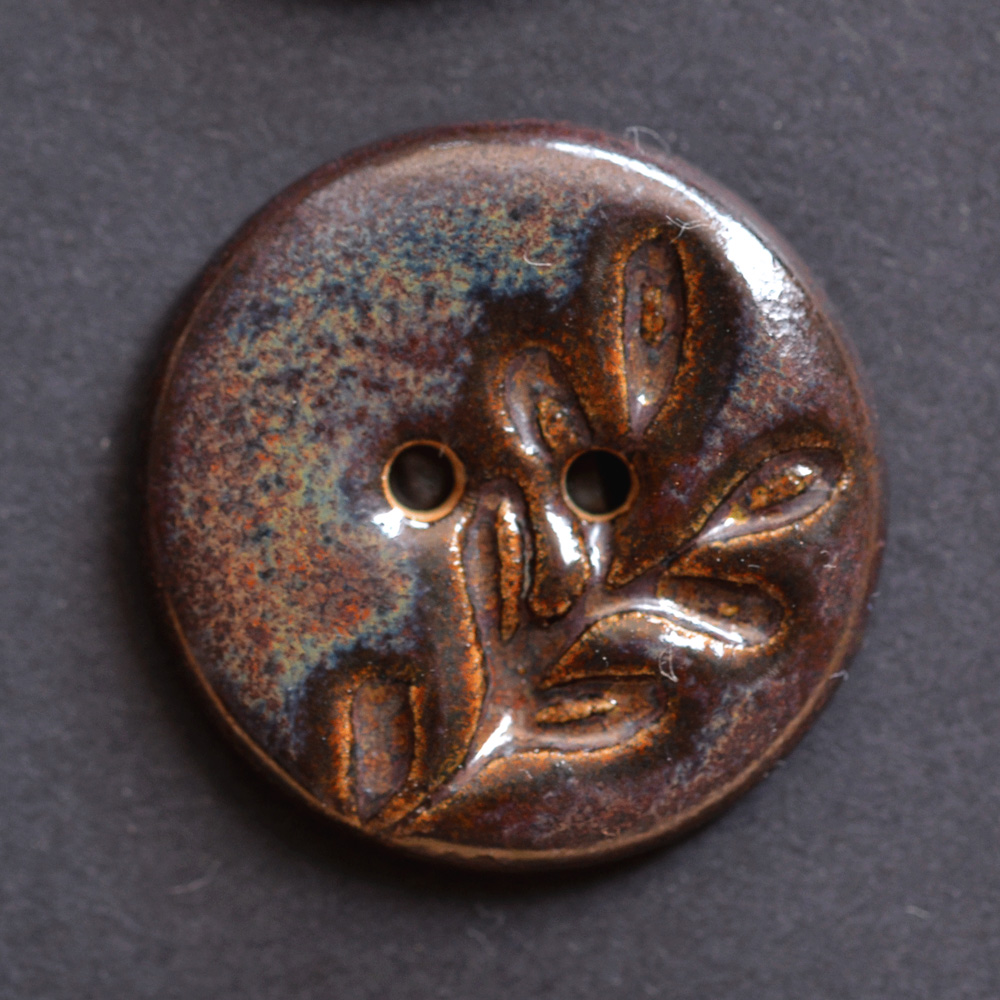
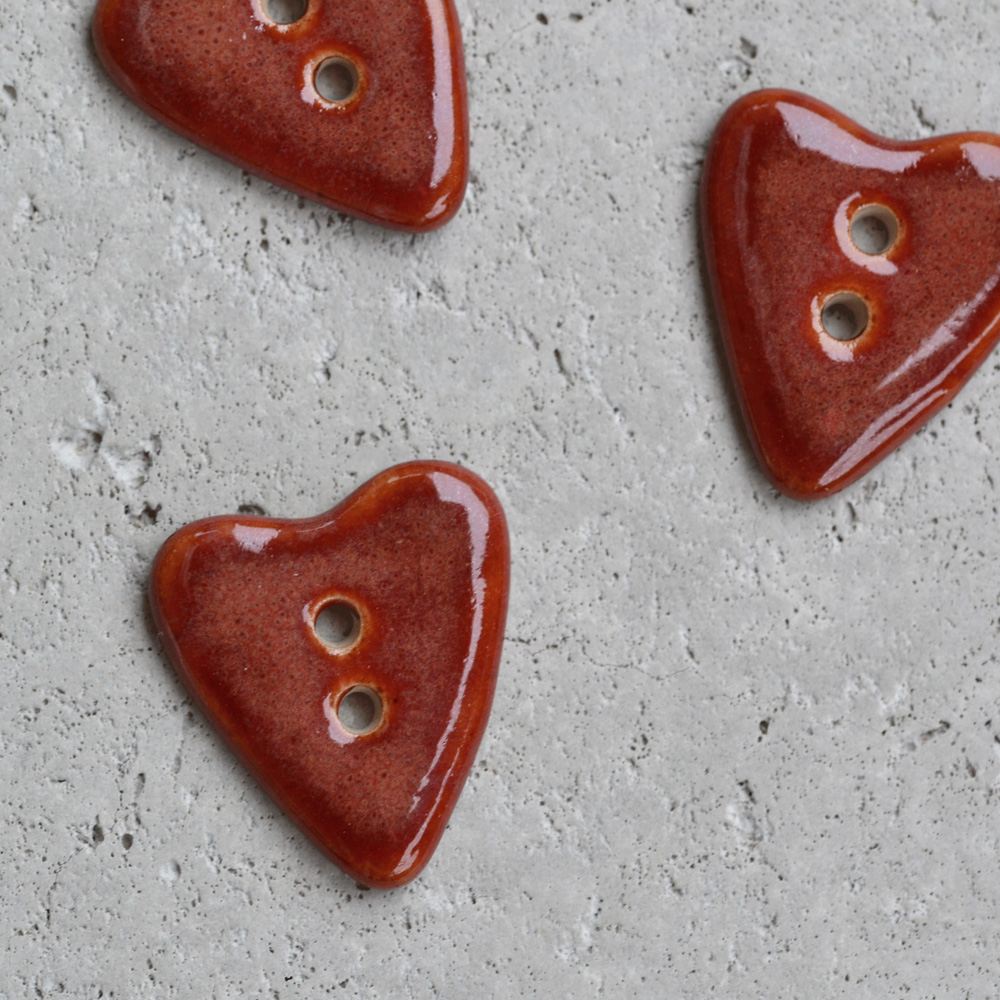
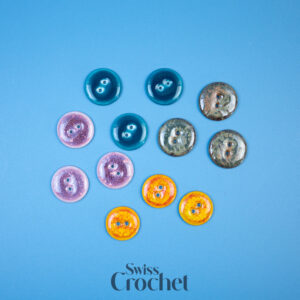
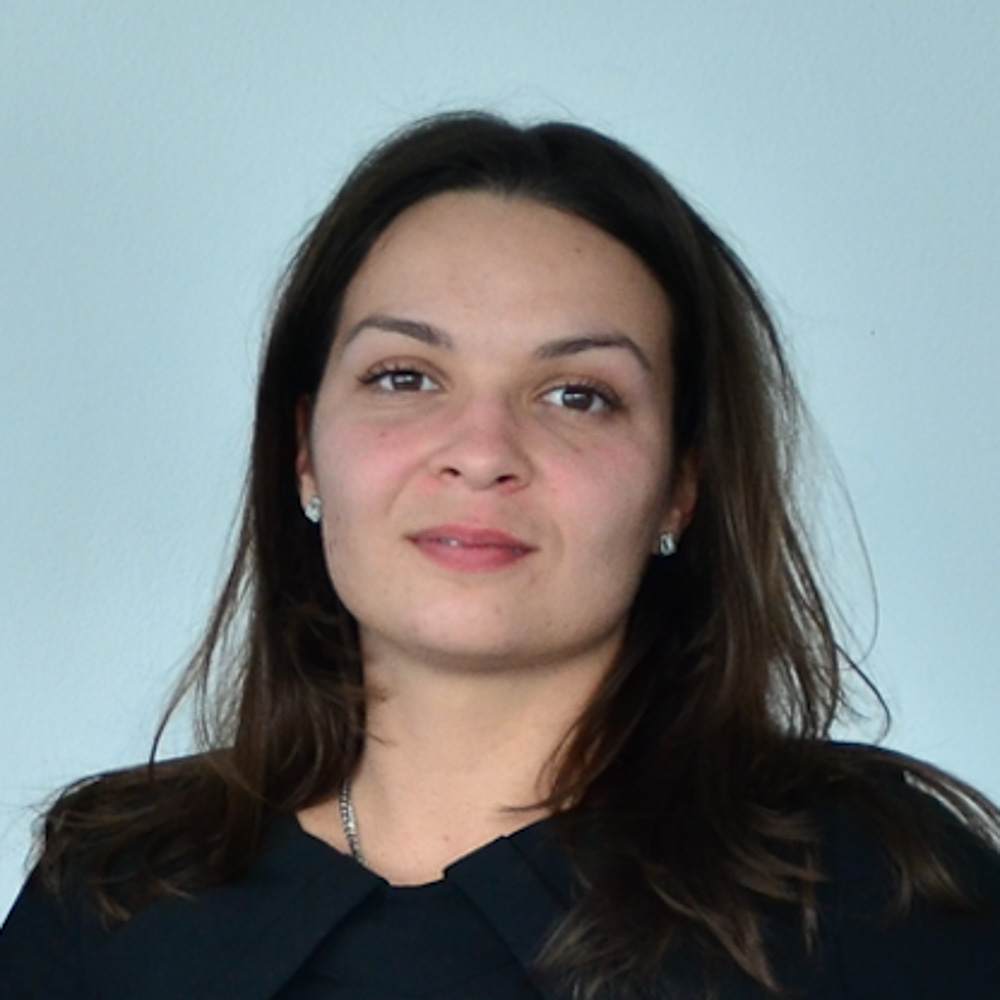
Let me introduce you to Asya Franke, the creative mind behind beautiful ceramic and porcelain button designs.
Can you tell us a little about yourself?
I currently live in Tenerife, but I started making buttons in Germany where I lived for the last 14 years.
It all began with me having a fabrics shop. One of my key products was boiled wool. It’s very popular in Germany for children jackets because of its thermoregulating properties.
Time and again there were manufacturing defects like small holes or knots, so I had to cut pieces off. Sometimes these were 50-70 cm and I would put them on the side to sew something for me or my family.
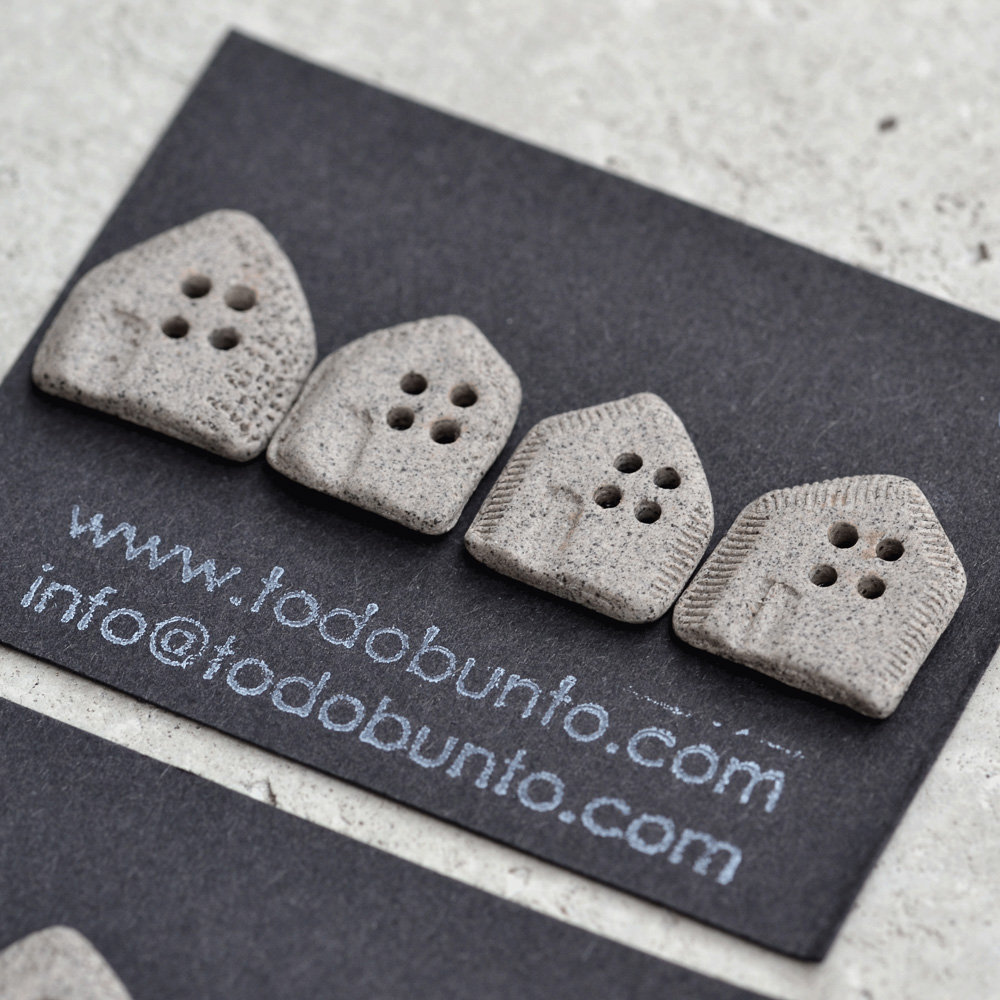
Quickly I accumulated quite a stock and started sewing children jackets and vests for sale. Looking for ideas I came across ceramic buttons on the internet and got a little bit carried away I guess 🙂 Now it’s just buttons, no jackets or fabrics.
Where in your practice do playfulness or experimentation appear most naturally?
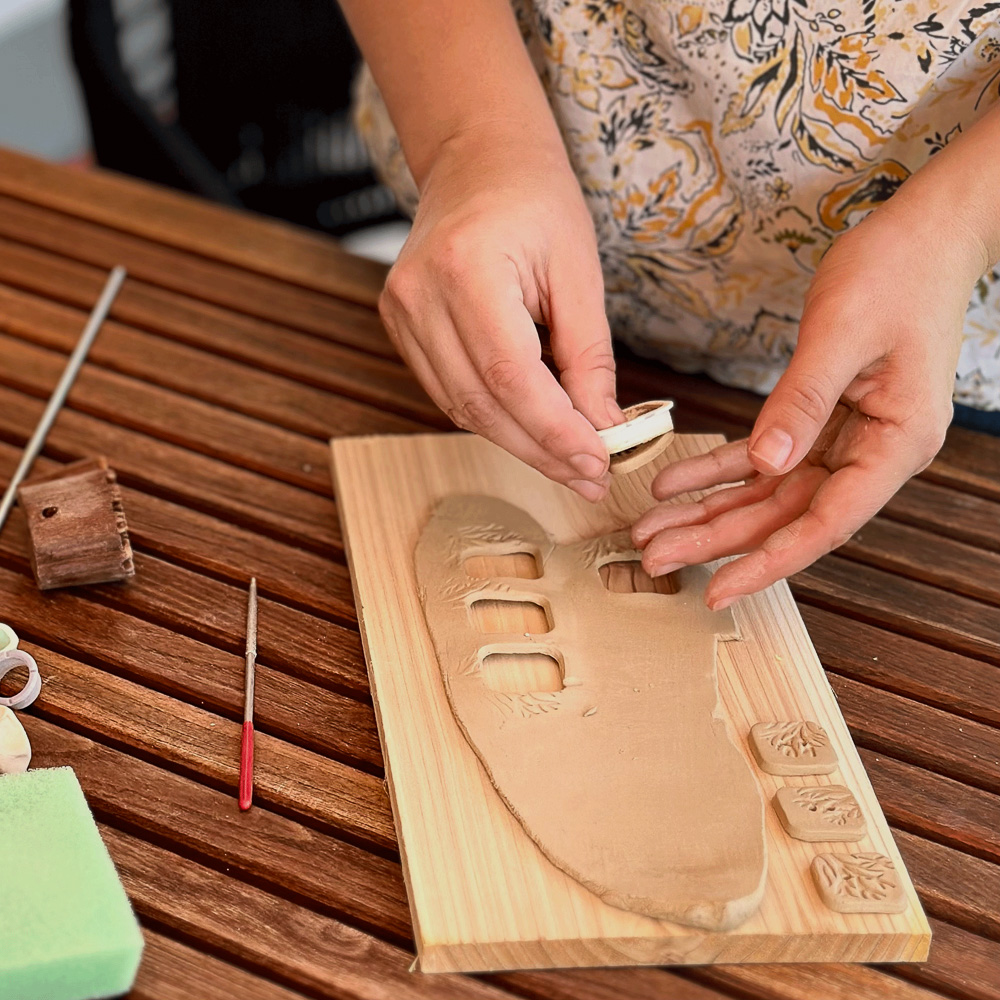
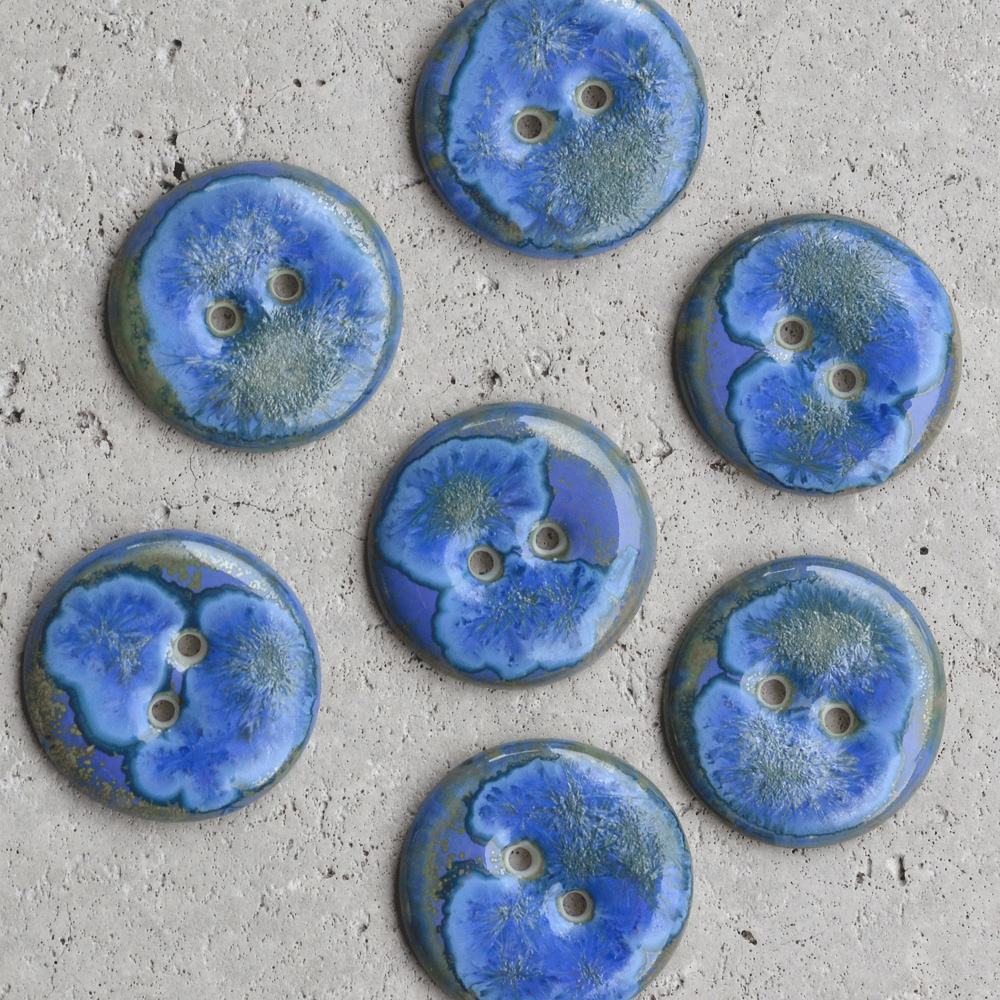
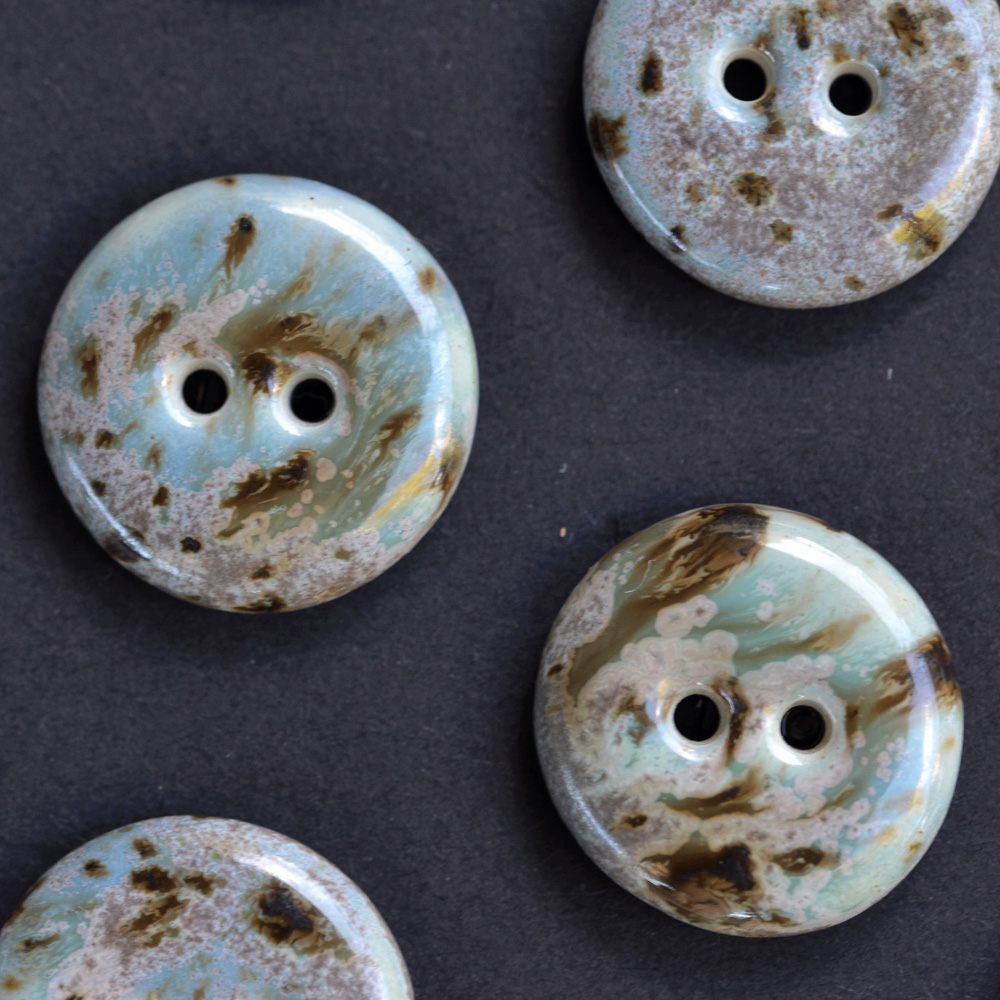
Happily ceramics offer endless opportunities for experimentation. The same glaze can turn out totally different depending on clay body, firing schedule, cooling speed, position in the kiln and even “neighbor” glazes.
I also love layering different glazes one over another. Because I glaze by hand and can’t guarantee the same thickness of the layers every time, opening the kiln is a lot like Christmas – you never really know what you get. For the same reason I tend not to take any custom orders and rather sell what’s on stock.
What has been the most transformative skill or lesson you’ve learned since you began creating?
Well following the previous answer, with ceramics I guess it is acceptance. I am a control freak in real life. I like to do things well and to rely that if I did a good job, I get an expected result. It does not apply to ceramics at all.
Even if you think you have everything under control, there might be a problem with electricity and the firing will take an hour longer changing the end look of some glazes. It’s something you are told in your first ceramic class, but you actually get it after a few firings.
Some blows are hard to take, especially if you thought you did 100 red buttons but they turn out dirty brown because the temperature was 10 degrees higher than expected or they get blue spots because the neighbor glaze was too aggressive.
If you could preserve one aspect of handmade culture for future generations, what would it be?
Memories. Mostly handmade culture is a family thing. Looking at my mom, aunt and grandmothers I sewed, knitted, hand-stitched and what not in my childhood.
I was lucky to have dresses sewed by my mother and decorated with laces made by my great-grandmother. I remember my great-grandmother lecturing us when we moved the bobbins on the pillow where she was making the laces. Only now I understand what a disaster it must have been to untangle all the threads we displaced.
I also remember my mother sewing me a coral jacket whose lining was cut out of my father’s old checkered shirt. Only 20 years later when asked for her journals (because retro is always a good idea) I realized she was using patterns and instructions of Burda in German and she did not ever speak German! But at the time it was the only option.
I still have a scarf knitted by grandma who has already passed away. Every time I open the closet and see it, I remember her. So yes, I guess by creating handmade things we create memories for generations to come whether from the process or a person itself.