At Swiss Crochet, we love celebrating creativity. In our Meet the Maker series, we highlight designers and makers whose passion, skill, and imagination bring the craft to life. Each feature introduces you to their story and showcases the stunning work they create.
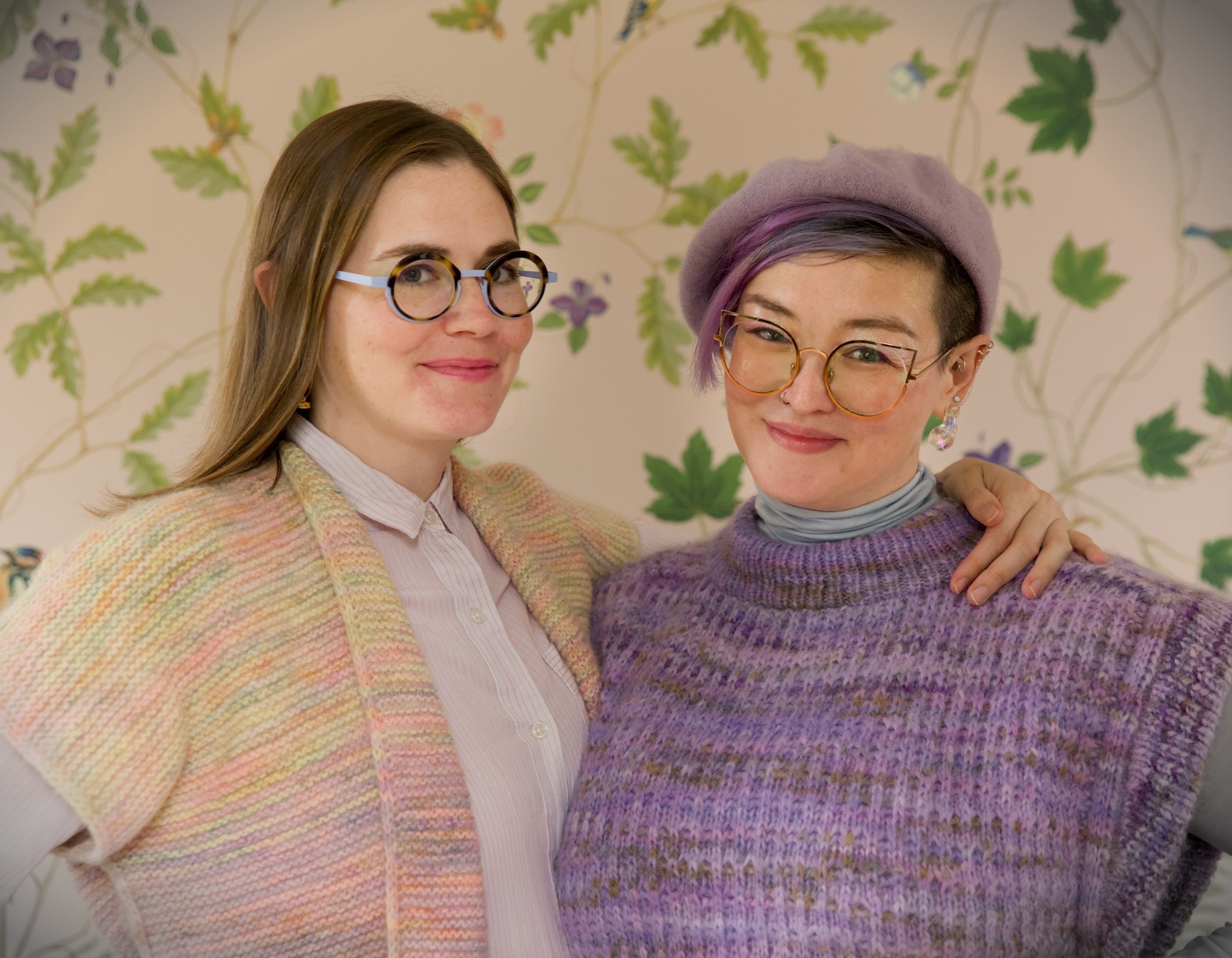
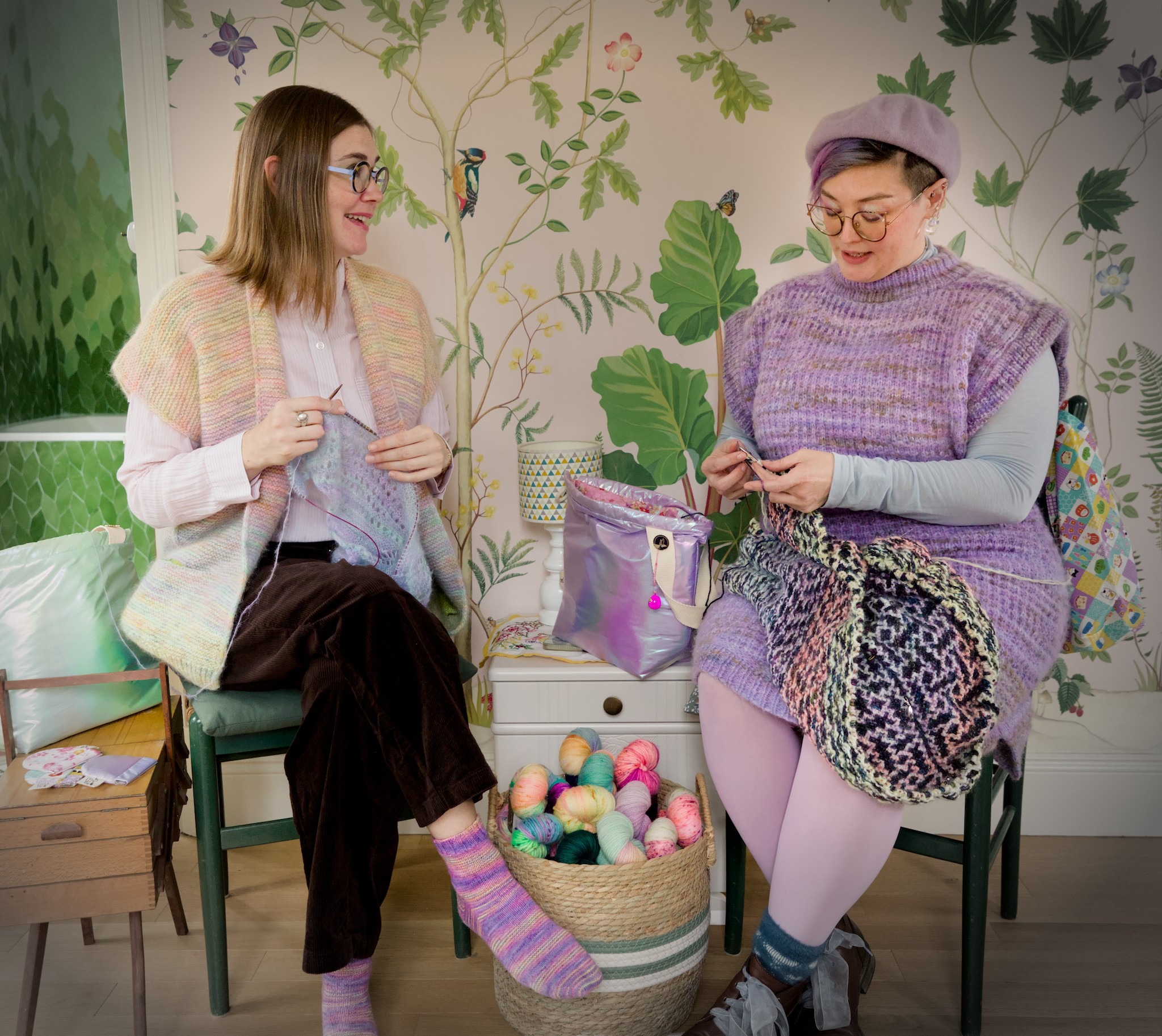
Let me introduce you to Annie Rivasseau and Hiroko Payne, the creative duo behind The Hare and The Crow.
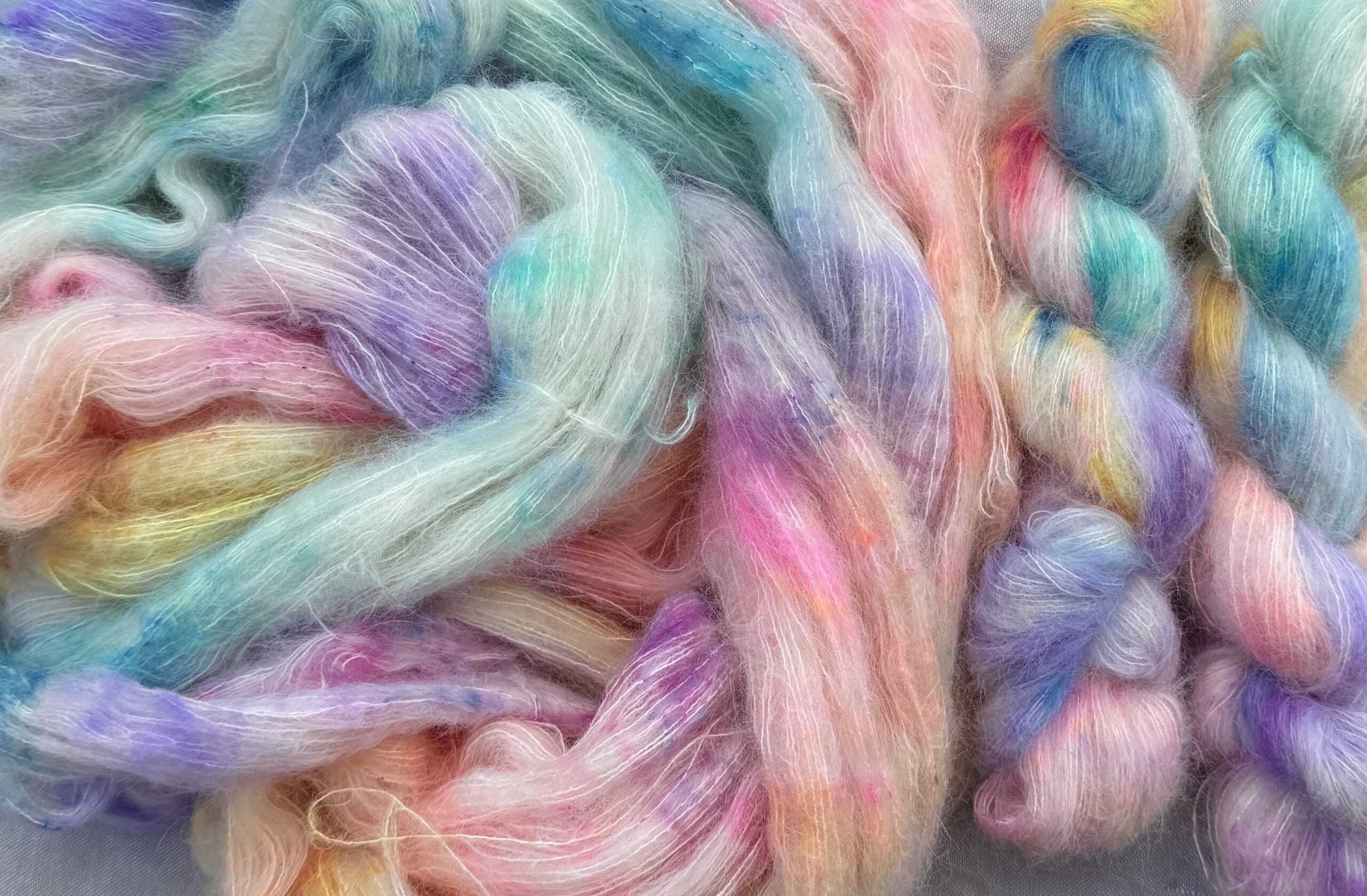
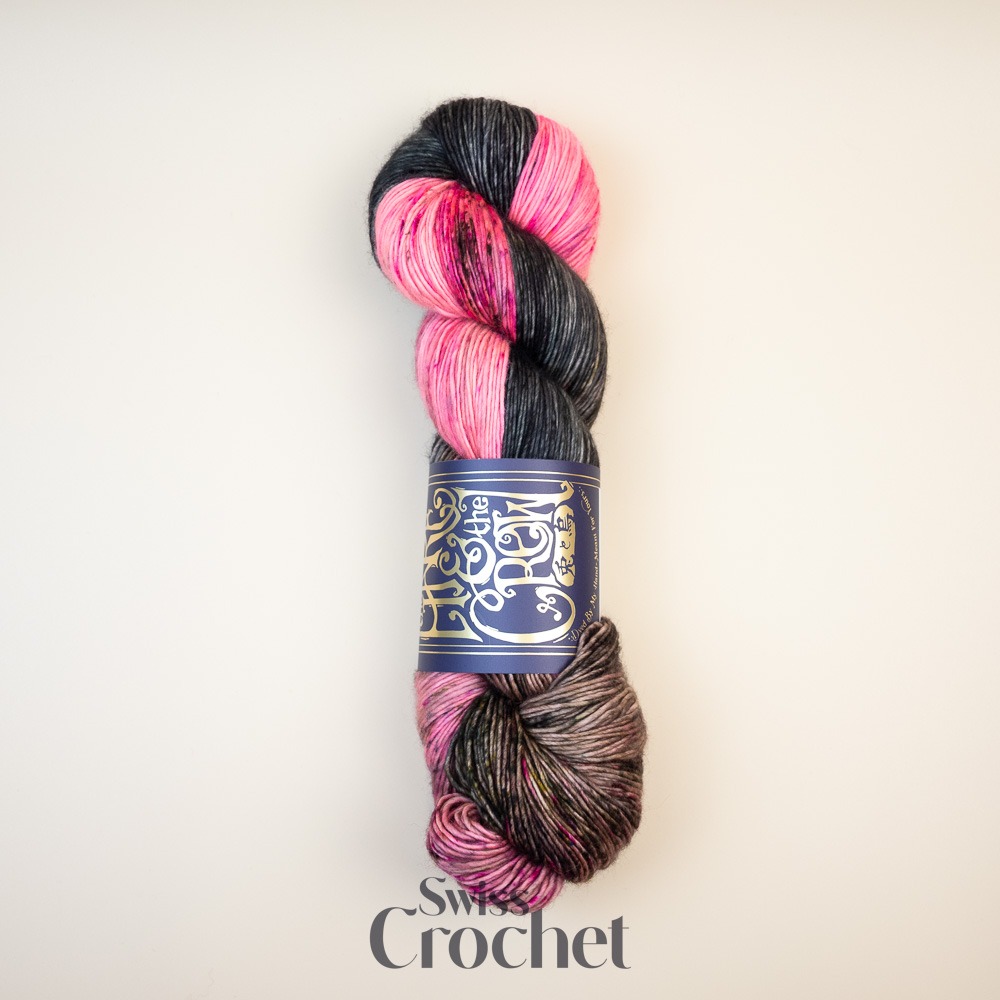
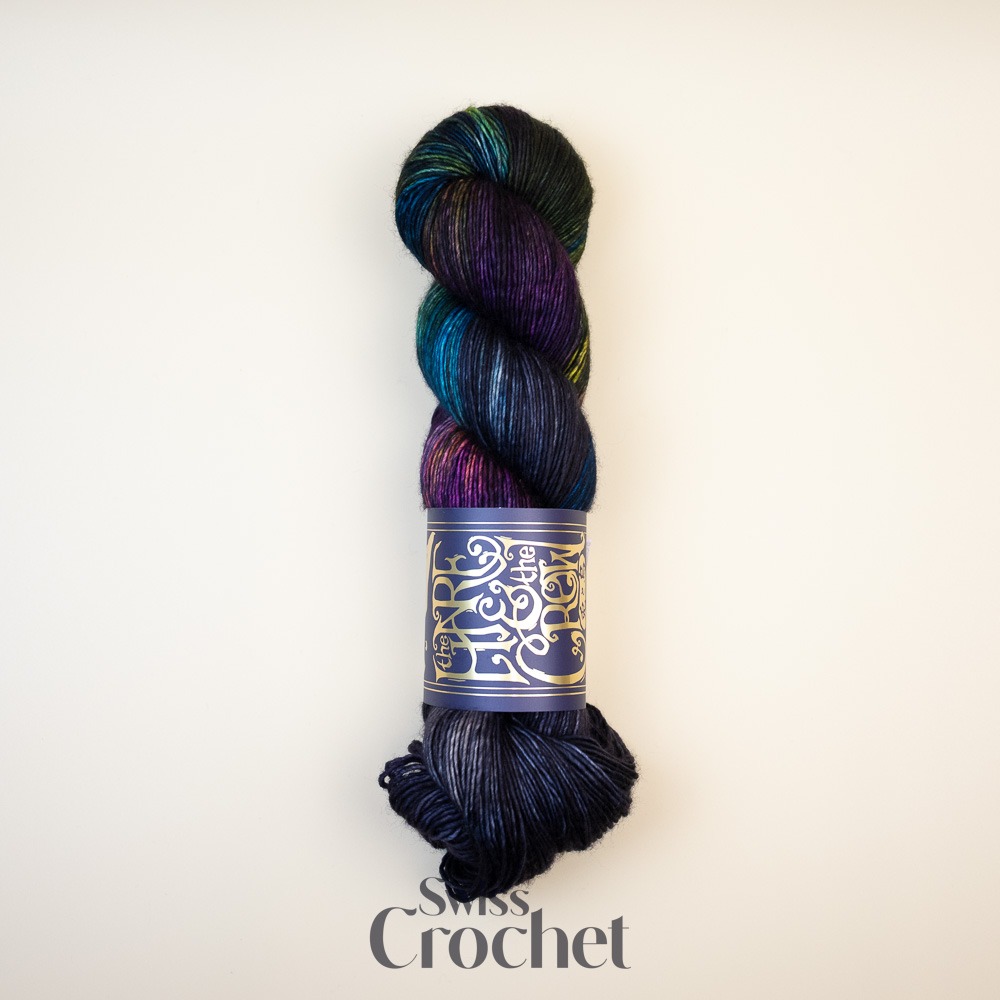
Based in Paris, Annie and Hiro bring together their creativity and passion for yarn to create beautiful, hand-dyed fibres. With a focus on colour, texture and quality, their yarns combine carefully selected materials with distinctive colourways, offering crocheters and knitters inspiring possibilities for their handmade projects.
Can you tell us a little about yourself?
Hiro is originally from Los Angeles, California, and now lives in Paris, France. She studied Fine Arts, specialising in printmaking, and has been working in the yarn industry and designing knitwear since 2011. Her love for knitting began at the age of 9, when her maths tutor taught her how to knit.
Annie grew up in Osceola, Wisconsin, and now lives in Orsay, France. With a background in Media and Communications, her career has taken her through several different fields, including television and radio broadcasting, event organisation and public libraries, before eventually leading her into the yarn industry. Her passion for fibre crafts started early: she learned to crochet at the age of 6 and to knit at 14, both taught by her mother.
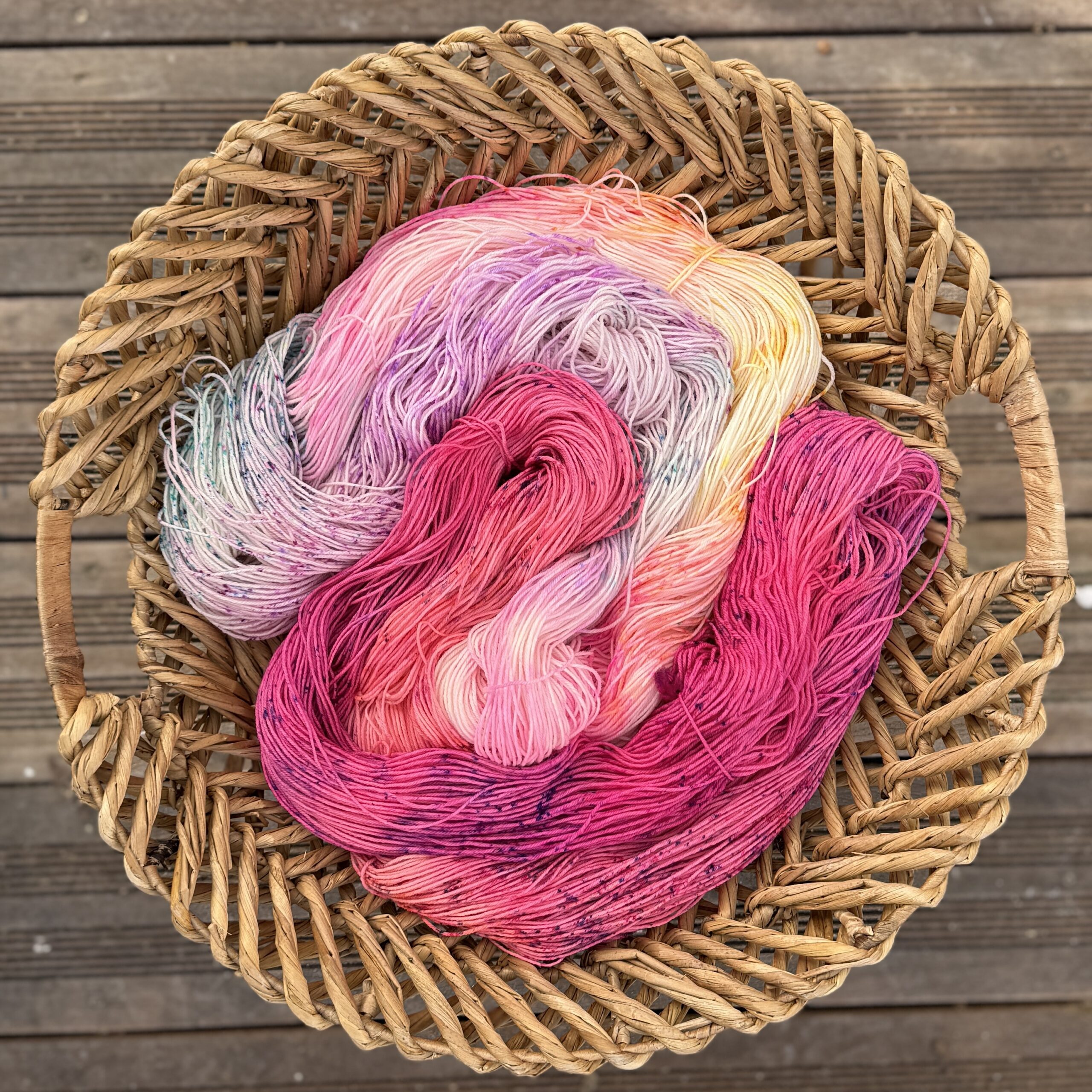
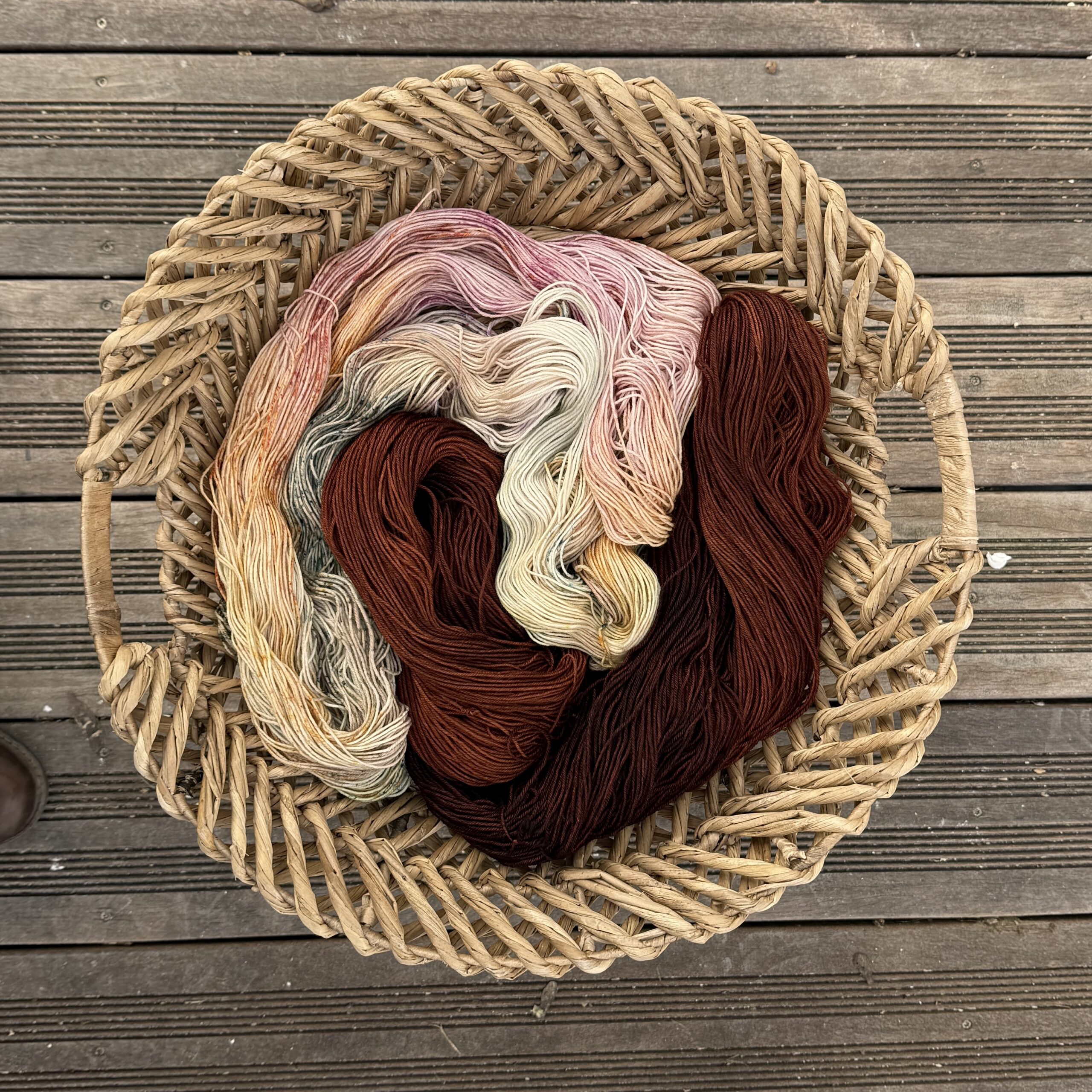
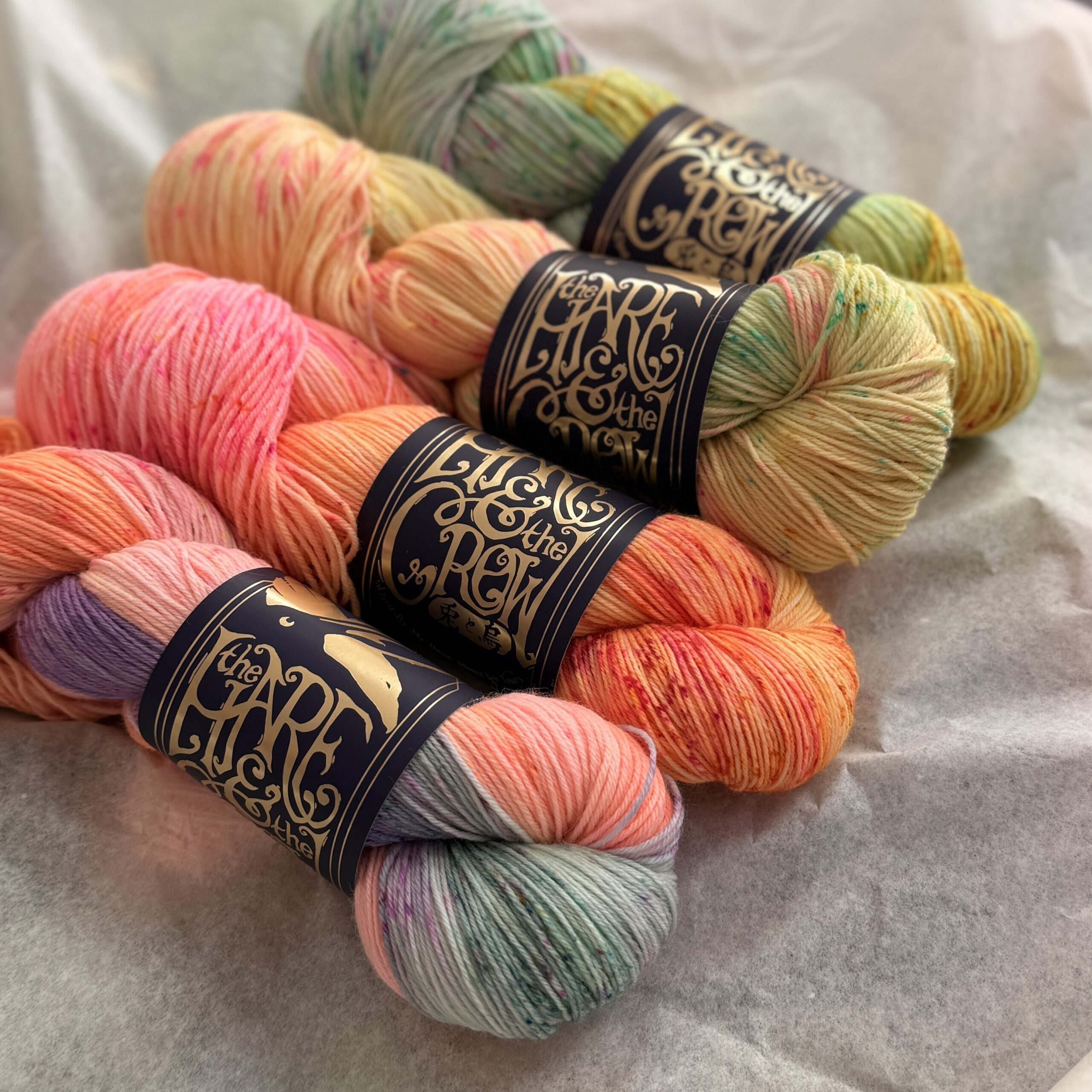
Where in your practice do playfulness or experimentation appear most naturally?
Through colour and textures!
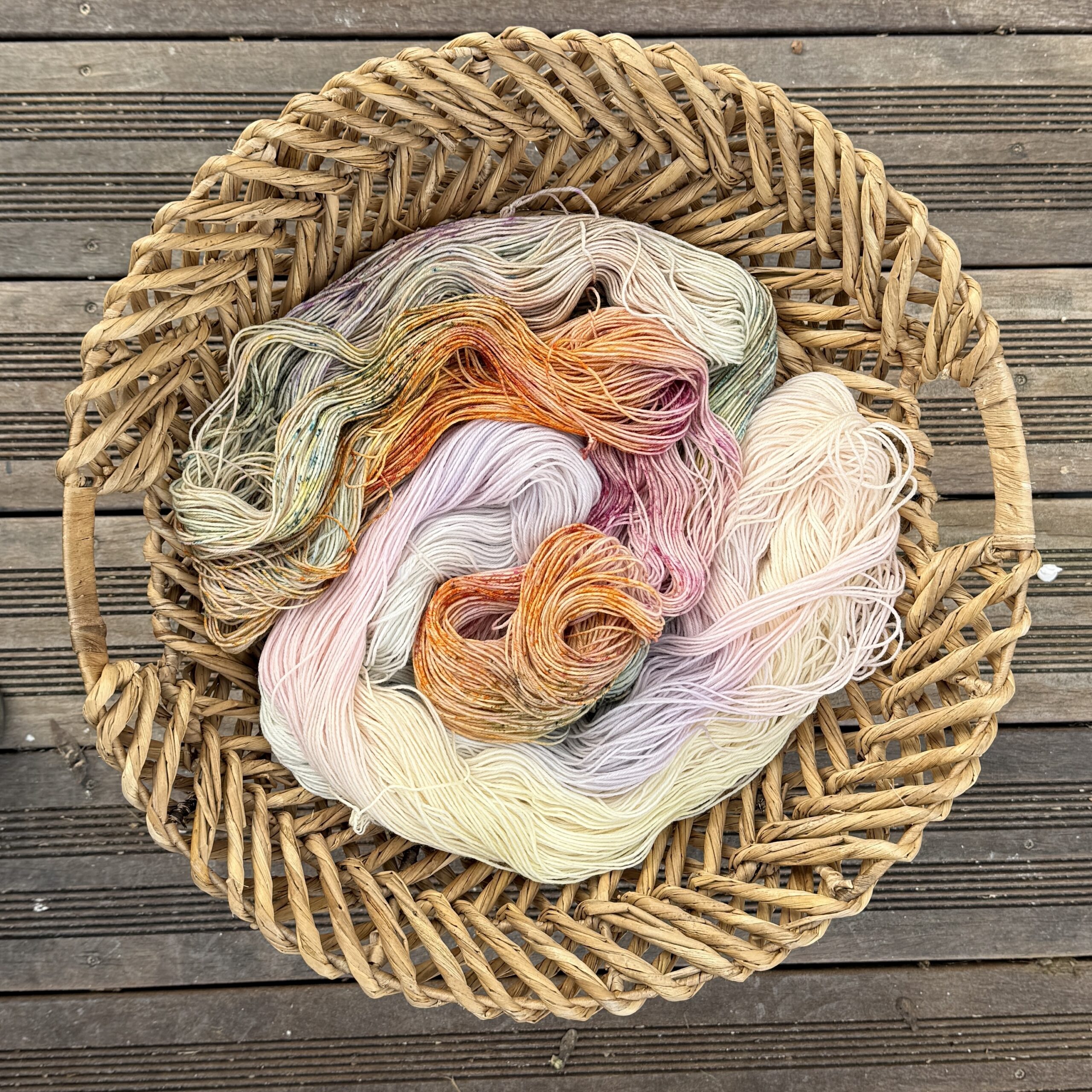
Dyeing our yarn lets us experiment everyday, coming up with different formulas and colour combinations. We can see how they all work on a skein, but also how the different skeins play with each other when used together in a knitted (or crocheted, or woven, etc.) piece.
The philosophy behind The Hare and The Crow is using our yarn as you would use paint on a canvas. It’s about choice with intention, being able to find a combination of colour and base that makes the project feel right and unique to the person creating it.
What has been the most transformative skill or lesson you’ve learned since you began creating?
Annie: That there’s no need for perfection. That’s a hard thing to learn as an anxious perfectionist, but handmade work has taught me that the small variations are part of what makes something special and unique. It’s fun being able to improvise and take risks when creating, rather than trying to make something ‘correctly.’
Hiro: Realising that I don’t know what I don’t know. I came into this with a lot of creative drive and a strong sense of what I wanted to see exist. What I had to learn was how to build a process, find the reasoning behind it, and accept that I’m not reinventing the wheel. Someone has almost always worked on a piece of the problem before me. Looking for that knowledge, often in fields that seem unrelated, has changed my work and my mind more than once. That willingness to keep learning, and to be proved wrong, has been worth more than any single other lesson.
If you could preserve one aspect of handmade culture for future generations, what would it be?
Learning “why” first, and then the skills to find out “how”. There are usually specific reasons why something looks, feels, falls or is shaped the way it is. Once you know why, the how of it makes a lot more sense.
In dyeing, the why is chemistry and fibre. Understanding why a colour strikes fast or slow, or why one base takes differently from another, is what gets you consistent results and also what lets you experiment with confidence. In pattern design, the why is the interplay between the fabric and the form. This technique is worked like this for °this° reason, this gusset is here because the arm needs to move °thus°, etc. When a maker understands that, they can change the fit for their own body, swap yarns sensibly, and fix mistakes without panic.
Blindly following instructions, or owning a finished object with no insight into how it was made, devalues both the object and the skill that created it. Instructions get you one object. Understanding gets you every object after that.